

'/%3E%3Cpath%20fill='%23b2b2b2'%20d='M241%20382q0%2016%2017%2026%2017%2011%2042%2011t42-11q16-11%2017-26V269H241'/%3E%3Cpath%20fill='%239f7e00'%20d='M241%20379q0%2014%208%2023%209%209%2021%209%2014%200%2021-9%209-9%209-23V269h-59'/%3E%3Cpath%20d='M241%20339v-70h59v110q0%2014-9%2023l-6%205v-68h-15v72q-8%200-14-4v-68zm59%2040c0%2022%2015%2032%2029%2032%2021%200%2030-18%2030-32v-40h-59'/%3E%3Cpath%20fill='%239f7e00'%20d='M266%20277v5h2v12h-3v-5h2v-5h-9v5h2v5h-4v9h3v18h-5v10h34v-10h-5v-18h3v-9h-4v-5h2v-5h-9v5h2v5h-3v-12h2v-5zm42%20101q0%2010%206%2017%206%206%2015%207%2010-1%2016-7%206-7%206-17v-29h-43'/%3E%3Ccircle%20fill='%230044ad'%20cx='329.5'%20cy='372'%20r='6'/%3E%3Cellipse%20fill='%230044ad'%20cx='300'%20cy='340'%20rx='16'%20ry='21'/%3E%3C/svg%3E)

Machu Picchu Tickets 2026: Routes, Schedules & Visitor Quotas
- 14 de September de 2026
- Parwa Travel
Why You Need to Plan Your Machu Picchu Visit Well Ahead in 2026
Machu Picchu is one of the most visited destinations on the planet, and for several years now, access has been regulated through a system of daily quotas, entry time slots, and designated circuits. In 2026, these measures remain in place and have been fine-tuned to better protect the integrity of the archaeological site. If you show up without a plan, the risk of missing out on a ticket is very real.
Peru’s Ministry of Culture is the authority that manages access to the Inca Citadel of Machu Picchu. Prices, schedules, and available quotas can change from year to year, so we always recommend checking the most up-to-date information on the Ministry of Culture’s official website (cultura.gob.pe) or reaching out to us directly at Parwa Travel.
What you can do right now is get a solid understanding of how the system works — what routes exist, what sets them apart, and how to choose the one that best suits your travel style. That’s exactly what you’ll find in this article.
The Circuit and Time-Slot System
Since access to Machu Picchu was restructured, entry to the sanctuary is no longer open-ended. Visitors must choose a specific circuit when purchasing their ticket, and they must also select an entry time slot. This approach is designed to spread tourist flow throughout the day and prevent large crowds from concentrating in the site’s most sensitive areas.
Entry time slots are typically divided into morning and afternoon blocks. Once inside, the length of your visit is determined by the circuit you’ve chosen. It’s important to respect these timeframes, as staff at the citadel actively enforce this rule.
Tickets are purchased through the official platform operated by the Ministry of Culture. There is no ticket sales booth at the entrance to the archaeological site. This is crucial: if you don’t have your ticket purchased in advance, you will not be allowed in — regardless of the time of year.
Available Routes at Machu Picchu
The circuit system within the citadel lets you explore different areas of the archaeological site depending on the route you choose. Each route has a different difficulty level, an estimated duration, and access to distinct sections of the citadel. Here’s a summary of the main routes:
- Circuit 1: Covers the agricultural terraces and upper urban zone. Perfect for those seeking the classic panoramic views of the citadel and its mountain backdrop. Moderate difficulty level.
- Circuit 2: Takes in the main temples, the Sacred Plaza, and the Intihuatana area. This is the most comprehensive route through the historical core. Moderate difficulty level.
- Circuit 3: Heads toward the Sun Gate (Inti Punku), the iconic arrival point of the Inca Trail. Requires more physical effort. High difficulty level.
- Circuit 4: Access to the Inca Bridge (Drawbridge) sector, a path carved directly into the rock face above a dramatic cliff drop. Daily visitors are strictly limited. High difficulty level.
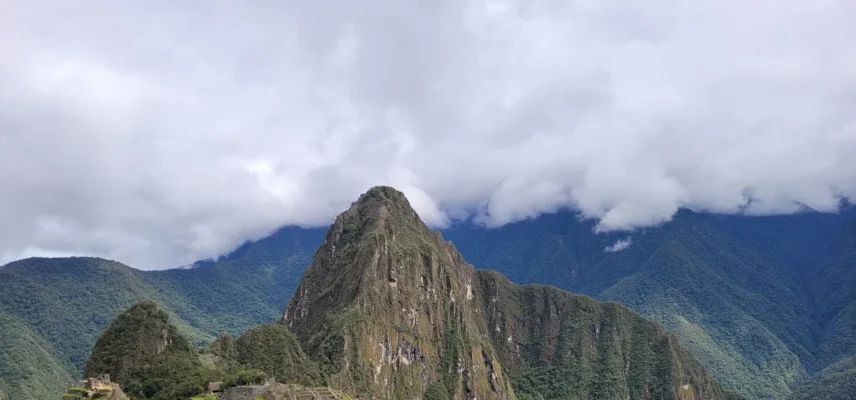
- Machu Picchu Mountain and Huayna Picchu: These are separate add-ons with very limited quotas. They are sold as supplements to the main ticket and have their own time slots. Demand far outstrips supply, especially for Huayna Picchu.
We strongly recommend checking availability for each circuit several months in advance, particularly if you’re traveling between June and August, which is the peak tourist season in Cusco and Machu Picchu.
How Many Visitors Are Allowed Into Machu Picchu Each Day?
The total daily visitor quota for the sanctuary is regulated and has been adjusted at various stages since the access control system was first introduced. Currently, the permitted number of visitors per day falls within a range that the Ministry of Culture sets based on the site’s carrying capacity studies.
What is clear is that quotas for the mountains — Huayna Picchu and Machu Picchu Mountain — are considerably lower than those for general citadel access. These sell out weeks or even months in advance during peak season.
For the exact quota in effect in 2026 and real-time date availability, the most reliable approach is to check the Ministry of Culture’s official platform directly or contact Parwa Travel, where we verify availability and help you manage your tickets without any hassle.
How to Get to Machu Picchu from Cusco
Cusco, the ancient capital of the Inca Empire sitting at 3,400 meters above sea level, is the natural starting point for visiting Machu Picchu. There are two main ways to get there:
- Train from Poroy or Ollantaytambo to Aguas Calientes (Machu Picchu Pueblo): This is the most comfortable and popular option. The journey takes between 1.5 and 3.5 hours depending on where you board. From Aguas Calientes, a scenic bus ride of around 25 minutes takes you up to the citadel entrance. The authorized rail companies are PeruRail and Inca Rail — check availability and fares directly with them or through your travel agency.
- Inca Trail: The world’s most iconic trek, covering roughly 43 kilometers over 4 days through mountain, puna, and cloud forest ecosystems, with stops at intermediate archaeological sites along the way. A special permit is required, also subject to limited quotas managed by the Ministry of Culture. The season excludes February, when the trail closes for maintenance. For more details, visit our Treks & Adventure section.
Alternative trekking routes — such as the Salkantay Trek or the Choquequirao Trek — also lead to Machu Picchu, blending nature and adventure. These options involve fewer permit restrictions for the trail itself, though you still need a standard entry ticket to the citadel.
When to Visit Machu Picchu: Seasons Breakdown
The dry season in the Cusco and Machu Picchu region runs roughly from May to October. During these months, skies are generally clear, rainfall is sparse, and trekking conditions are at their best. It’s also the busiest time of year for tourism.
The wet season runs from November to April. Rain is frequent, the vegetation is lush, and the citadel is often shrouded in mist — lending it a particularly mystical atmosphere. Accommodation prices tend to be more affordable, and tickets are easier to come by, though some trekking routes may present additional challenges.
February is the only month when the archaeological site closes for maintenance. This also applies to the classic Inca Trail. If you’re planning to travel around that time, it’s essential to confirm the exact closure dates with the Ministry of Culture.
What to Bring on the Day of Your Visit
Machu Picchu sits at approximately 2,430 meters above sea level, making it warmer and more humid than Cusco. Even so, conditions can shift quickly. We recommend packing:
- Layered clothing (mornings can be cool, midday warm)
- A light rain jacket or poncho (even in the dry season, occasional showers are possible)
- Comfortable shoes with good grip (surfaces are uneven and can be slippery)
- Sunscreen and insect repellent
- Snacks and water (packaged food is not allowed inside the citadel, but water in reusable bottles is fine)
- Original ID or passport (required to validate your ticket at the entrance)
Large backpacks (over 20 liters) are not permitted inside. There are luggage storage facilities in Aguas Calientes where you can drop off your bags before heading up.
Cusco as Your Base for Machu Picchu
If this is your first time in the region, it’s highly recommended to arrive in Cusco at least two days before visiting Machu Picchu. Cusco’s altitude (3,400 m.a.s.l.) requires an acclimatization period so your body can adjust and you can fully enjoy the experience.
Cusco also has a wealth of history and culture all its own: the Sacred Valley of the Incas, the Pisac market, the Maras salt ponds, the Moray archaeological site, and the historic city center itself — a UNESCO World Heritage Site. At Cultural Cusco you’ll find plenty of ideas on how to make the most of those acclimatization days.
At Parwa Travel, we’re Cusco locals at heart and we know every corner of this route. We craft itineraries that pair Machu Picchu with the Sacred Valley, historic Cusco, and — if you’re up for it — destinations like Puno, Arequipa, or the Nazca Lines, as part of a southern Peru journey that no traveler ever forgets.
Where to Buy Tickets and How to Avoid Scams
Official Machu Picchu tickets are only sold through the platform operated by Peru’s Ministry of Culture. Be wary of informal resellers or unofficial websites offering tickets at unusual prices — they could be fraudulent or dealing in cancelled tickets that are no longer valid.
If you’d prefer to have a trusted team handle everything for you — tickets, train, accommodation in Aguas Calientes, and transfers — our team at Parwa Travel can take care of every detail of your Machu Picchu experience, backed by an officially registered agency in Cusco with years of expertise on this route.
Planning ahead isn’t just a suggestion: in 2026, with growing demand from travelers around the world, it’s the difference between living one of the most transformative experiences of your life and having to wait for another chance.