



Machu Picchu vs Choquequirao: Which Inca Ruin Should You Visit?
- 17 de October de 2026
- Parwa Travel
Few travel dilemmas in Peru are as compelling as this one: Machu Picchu or Choquequirao. Both are Inca citadels of exceptional beauty, both rise among cloud-draped mountains and Andean jungle, and both hold the memory of a civilization that transformed the Andes. Yet the experience of reaching each one—and what you’ll find when you get there—couldn’t be more different.
At Parwa Travel, we know these places not just as tourist destinations, but as living parts of our Andean heritage. This guide will help you decide which one to visit based on your available time, physical condition, and what you’re truly looking for in a trip to Peru’s Inca ruins.
Machu Picchu: The Most Visited Wonder of the Inca World
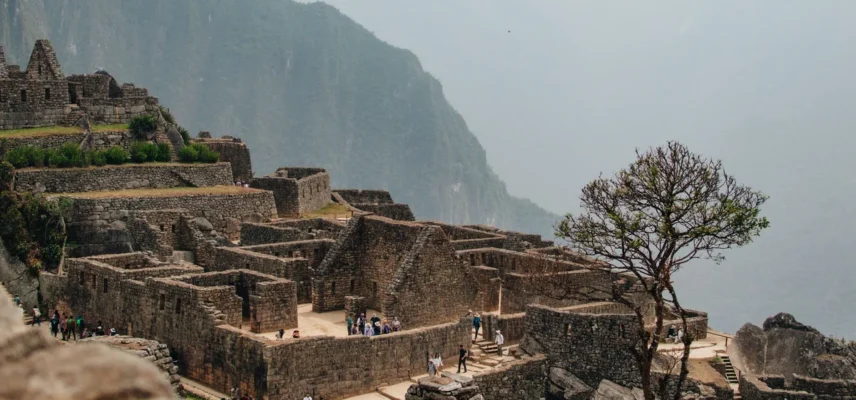
Machu Picchu was built around the mid-15th century during the reign of Inca Pachacútec, one of the greatest rulers of the Tawantinsuyu. It sits at 2,430 meters above sea level in the province of Urubamba, Cusco region, was declared a UNESCO World Heritage Site in 1983, and was chosen as one of the New Seven Wonders of the World in 2007.
The harmony between Inca architecture, engineering, and mountain scenery is difficult to put into words. The agricultural terraces, the Temple of the Sun, the Intihuatana stone, and the view from the Sun Gate (Inti Punku) rank among the most breathtaking experiences on the continent. The citadel is accessible to the vast majority of travelers and can be arranged as a one- or two-day excursion from Cusco.
How to Get to Machu Picchu
The most common route combines a train from Ollantaytambo—in the Sacred Valley—to Aguas Calientes (also known as Machu Picchu Pueblo), with a travel time of roughly one and a half hours. From the station, a shuttle bus climbs to the citadel entrance in about 25 minutes. It’s also possible to board the train at Poroy, a station near Cusco, for a journey of approximately three and a half hours.
For those seeking a deeper connection with the historic trail, the Classic Inca Trail covers approximately 43 kilometers over 4 days and 3 nights, passing through mountain landscapes, cloud forests, and intermediate ruins such as Runkurakay and Sayacmarca. Permits for this route sell out months in advance; visit our treks & adventure section to check available options and current availability.
What You Should Know Before Visiting Machu Picchu
- Altitude: 2,430 m.a.s.l., lower than Cusco (3,400 m), which reduces the risk of altitude sickness.
- Climate: mild and humid. Dry season runs from May to October; rainy season from November to April.
- Entry: requires a timed ticket with an assigned visiting route. Check current rates and availability on the official website of Peru’s Ministry of Culture.
- Physical fitness required: low to moderate. Suitable for most travelers, including seniors, children, and families.
- What to bring: sunscreen, a light rain jacket, water, snacks, and a form of ID.
Choquequirao: The Inca Citadel the World Has Yet to Discover
Deep in the heart of the Apurímac Canyon, about 3 to 4 hours by road from Cusco, stands Choquequirao, whose Quechua name translates as “Cradle of Gold.” Built in the 15th century, possibly during the reign of Túpac Yupanqui, the citadel sits at approximately 3,033 meters above sea level and overlooks one of the deepest canyons on the planet.
Much of the archaeological complex remains unexcavated beneath the Andean vegetation. The stepped terraces decorated with llama reliefs, the ceremonial plazas, and the residential chambers that gradually reveal themselves as you ascend offer something Machu Picchu can no longer provide: silence and the genuine thrill of discovery. In many ways, Choquequirao is what Machu Picchu was before the modern world found it.
How to Get to Choquequirao
There is no road access. The only way to reach it is on foot. The Choquequirao trek begins in the village of Cachora, in the province of Abancay, Apurímac region. The round trip covers approximately 55 to 60 kilometers, with a steep descent to the Apurímac River (around 1,500 m.a.s.l.) and a demanding climb of several kilometers up to the citadel. The minimum recommended time is 4 to 5 days; many travelers opt for 6 days to explore the site at a comfortable pace.
This route passes through the heart of Chanka territory, a culture in which Parwa Travel specializes. Having a local guide and a muleteer not only enriches the experience but also contributes directly to the local community economy. Learn more about this region in our Apurímac tourism section.
What You Should Know Before Visiting Choquequirao
- Altitude: approximately 3,033 m.a.s.l. at the citadel; the trek involves significant elevation changes throughout the route.
- Difficulty: high. Requires good physical fitness and basic experience with multi-day trekking.
- Trail infrastructure: basic campsites and simple shelters. There are no hotels or urban services along the route.
- Crowds: virtually none. It is one of the least-visited Inca archaeological sites in Peru.
- Climate: variable. Nights can be very cold; warm layers, waterproof gear, and a suitable sleeping bag are strongly recommended.
- What to bring: full trekking gear, a basic first-aid kit, a water filter, sunscreen, and high-energy foods.
Head-to-Head Comparison: Machu Picchu vs Choquequirao
To help you see the key differences at a glance, here is a point-by-point summary:
- Access: Machu Picchu, by train and bus (1–2 days from Cusco). Choquequirao, on foot only (minimum 4 to 6-day trek).
- Altitude: Machu Picchu, 2,430 m.a.s.l. Choquequirao, approximately 3,033 m.a.s.l.
- Crowds: Machu Picchu receives thousands of visitors per day. Choquequirao may see only dozens, even during peak season.
- Infrastructure: Aguas Calientes offers hotels, restaurants, and a range of services. Along the Choquequirao route, only basic campsites.
- Excavation status: Machu Picchu has been extensively restored and studied. Much of Choquequirao remains buried beneath vegetation, unexcavated.
- Physical difficulty: Machu Picchu is suitable for almost all traveler profiles. Choquequirao demands real physical preparation and endurance.
- Type of experience: Machu Picchu delivers an immediate and unmatched visual impact. Choquequirao offers solitude, adventure, and an authentic connection with Andean nature and history.
Which One Should You Choose Based on Your Traveler Profile?
The answer depends on what you prioritize in your trip. Neither one is better than the other; there is simply one that fits you better right now.
Choose Machu Picchu if…
- You have limited time (between 2 and 5 days in the Cusco region).
- You are traveling with family, older adults, or people with limited mobility.
- You are looking for a world-class historical and visual experience with comfortable amenities.
- It is your first trip to Peru or to the Andean region.
Choose Choquequirao if…
- You are seeking adventure, solitude, and genuine contact with nature and local communities.
- You have good physical fitness and experience with multi-day trekking.
- You want to discover a monumental archaeological site free from crowds and tour group noise.
- You have at least a week for this leg of your journey.
- You are interested in Chanka culture and the landscape of the Apurímac Canyon beyond the classic Cusco–Machu Picchu route.
Can You Visit Both?
Yes, and it is one of the most complete and rewarding combinations you can make in southern Peru. One possible route is to start with the Choquequirao trek from Cachora (4 to 6 days), followed by a transfer to Cusco and then a visit to Machu Picchu, either via the Classic Inca Trail or by train. This sequence also allows for a gradual acclimatization process that is very favorable for your body.
For more experienced trekkers, there is a route that connects Choquequirao directly to Machu Picchu on foot, through the Andean cloud forest, over approximately 8 to 10 days of hiking. It is one of the most challenging and spectacular journeys in all of Peru, with landscapes ranging from 3,000 meters down to the high jungle.
At Parwa Travel, we design custom itineraries so you can combine both experiences safely and responsibly, always backed by local guides who know these lands firsthand. If you have any questions about which route best suits your profile and available time, get in touch with us: we’ll advise you with the deep local knowledge of people who call this place home.
Whether you choose the wonder of the world or the citadel still cradled by the forest, you will be walking on Inca ground, breathing the living history of a people who remain present in the stones, in the communities, and in the memory of those of us who walk this land with pride.