


Community Tourism in Peru: Travel While Supporting Local Communities
- 15 de October de 2026
- Parwa Travel
Community tourism in Peru is one of the most meaningful ways to explore the southern Andes. It’s not just about taking in breathtaking landscapes — it’s about sharing daily life with Quechua and Aymara families, learning their ancestral knowledge, and contributing directly to their economy.
At Parwa Travel, we understand this kind of travel from the inside. We are part of Andean culture, of the ayllu, and we know that tourism done right can be a genuine bridge between cultures — not a showcase where communities are put on display.
What Is Community Tourism?
Community-based tourism is a model in which local communities themselves design, manage, and directly benefit from tourism activities. Unlike conventional tourism, travelers here are not outside observers — they participate, share in community life, and learn.
In the Peruvian Andean context, this model is deeply rooted in the principle of ayni — the Quechua concept of reciprocity — and in the idea of community as a network of mutual support. Visiting a community in this spirit is, at its core, stepping into that network with respect and an open mind.
Why Community Tourism Matters Today
Mass tourism can generate income, but it can also erode the social fabric, dilute traditions, and concentrate economic benefits in the hands of outside operators. Community tourism distributes those benefits differently.
- The money you spend stays in the community — food, lodging, local guides, and crafts are all managed by the families themselves.
- Traditions are passed down with dignity, not performed as a show for tourists.
- Real incentives are created to preserve local ecosystems and vernacular architecture.
- Women in these communities play a central role in many of these initiatives, strengthening their economic independence.
For Parwa Travel, working with communities is not a marketing slogan — it’s part of who we are. We coordinate directly with local families and associations so that every tour generates impact where it’s needed most.
Community Tourism Destinations in Southern Peru
Lake Titicaca: Communities at the World’s Highest Navigable Lake
Lake Titicaca, sitting at approximately 3,812 meters (12,507 ft) above sea level in the Puno region, is one of the most powerful settings for community tourism in Peru. Two great cultures coexist here — the Aymara and the Quechua — each with its own language, worldview, and relationship with the sacred lake.
The Uros Floating Islands are often a traveler’s first encounter with this living reality. Built entirely from totora — a reed that grows naturally in the lake — these islands are home to families who have lived on the water for generations. A respectful, well-organized visit allows you to understand this way of life without reducing it to a quick snapshot.
Beyond the Uros, Taquile Island offers one of the most profound community experiences in the country. Its textile art was declared an Intangible Cultural Heritage of Humanity by UNESCO in 2005. Taquile’s weavings are not souvenirs — they are living records of identity, social status, and Andean worldview.
Staying with a family on Taquile or on Amantaní — another Titicaca island renowned for its community hospitality — lets you experience the true rhythm of the lake: fishing at dawn, preparing quinoa, and spending nights beneath an Andean sky free from light pollution.
Learn more about the Lake Titicaca and Puno tours we operate from Cusco.
The Sacred Valley of the Incas and Its Living Communities
The Sacred Valley stretches along the Urubamba River, northwest of Cusco. It’s not simply an archaeological corridor leading to Machu Picchu — it’s a living territory where farming and indigenous communities keep alive the agricultural, artisanal, and ceremonial practices passed down from the Incas.
In communities like Chinchero — known for its traditional looms and vibrant artisan market — or in the area around Pisac, you can take part in weaving workshops, learn about the cultivation of native potato and corn varieties, or attend Pachamama offering ceremonies organized by local farming families.
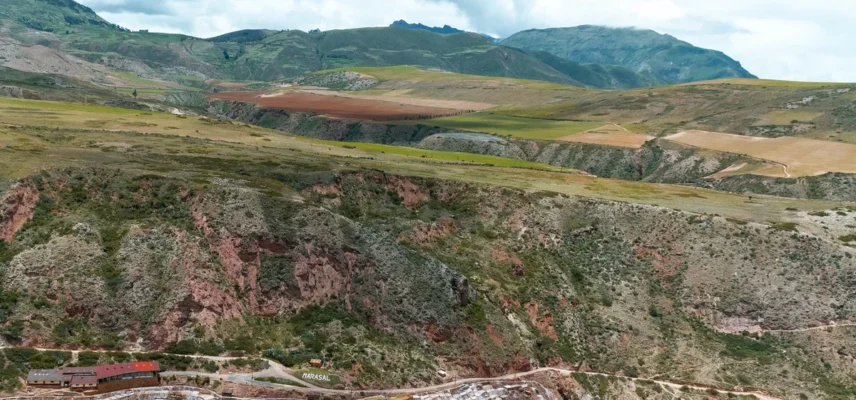
The Maras Salt Mines, in continuous use since pre-Inca times, and the circular terraces of Moray are also meeting points between living history and the communities that steward them. Many of the workers who maintain these sites are community members whose knowledge runs far deeper than physical labor.
Explore our trekking and adventure options in the Sacred Valley with certified local guides.
Arequipa and the Colca Canyon
The Arequipa region offers a lesser-known but equally valuable side of community tourism. In the Colca Canyon — one of the deepest canyons in the world — the Collagua and Cabana communities have preserved a distinct culture, even visible in their embroidered hats, which differ from village to village.
The women of these communities are the primary keepers of this knowledge. The embroidery adorning their festival clothing is a visual language of territorial and spiritual identity. Buying crafts directly from Colca artisans at a fair price is a tangible way to support their work.
The Colca has much more to offer than Andean condor watching — natural hot springs, ancient terraces still under cultivation, and high-altitude cuisine featuring unique regional produce.
Discover more about Arequipa and the Colca Canyon in our destinations section.
Apurímac: Community Tourism in Chanka Territory
Apurímac is perhaps the least-visited destination in southern Peru — and that’s precisely what makes it one of the most authentic. This region was the heartland of the Chanka culture, historical rivals of the Incas, and today it’s home to communities that preserve their traditions with an intensity that surprises any traveler who arrives with an open mind.
The deep canyons of the Apurímac River, the biodiversity of its cloud forests, and the vibrant energy of its local markets make this region an experience well off the beaten track. At Parwa Travel, we believe Apurímac deserves a place on the itinerary of anyone seeking the Peru beyond the postcards.
Browse the tours and experiences in Apurímac we have available.
Practical Tips for the Community Traveler
Traveling with communities requires the right mindset before any gear. Here are a few guiding principles:
- Do your homework before you arrive. Learning the basic history of the community you’re visiting — its language, festivals, and relationship with the land — makes the difference between a surface-level visit and a genuine encounter.
- Respect community time. Andean communities operate on their own rhythm. Not everything is designed for tourist efficiency — and that’s precisely what makes it valuable.
- Buy crafts directly from the makers. Skip the middlemen who don’t return fair value to the hands that created the product.
- Always ask before photographing people. This is a basic courtesy, especially in ritual or ceremonial contexts.
- Choose agencies that operate ethically. Ask how revenue is distributed, who the guides are, and whether communities have a say in designing the experiences.
Community Tourism and Sustainability: A Necessary Partnership
Well-designed community tourism is one of the most effective tools for preserving both cultural and natural heritage. Communities that receive fair income have concrete incentives to protect their landscapes, native seeds, and languages.
At Parwa Travel, we integrate these principles into every route we design. We work with local transporters, regional cuisine restaurants, certified guides, and communities with whom we maintain long-term relationships — not fleeting ones.
If you’re ready to plan a community-based trip to Peru, contact us and we’ll help you build the ideal itinerary for your interests, timeframe, and values. You can also browse our southern Peru packages for a full picture of what’s possible.
Frequently Asked Questions
Do I need to speak Quechua or Aymara to visit communities?
It’s not required, though learning a few greeting words in Quechua or Aymara always goes a long way with locals. Your local guides will serve as cultural and linguistic bridges throughout the entire experience.
What Is the Best Time to Visit Communities in Southern Peru?
The dry season, from May to October, is the most comfortable time to travel through the Andean region — sunny days, clear skies, and little chance of rain. The wet season, from November to April, has its own appeal: greener landscapes, more active agricultural festivals, and fewer tourists in the communities.
How Do I Know If a Community Tour Is Truly Responsible?
Look for agencies that can clearly explain how revenue is distributed, who the guides are, and what percentage of your spending stays in the community. At Parwa Travel, we answer those questions straight. Browse our packages or write to us directly.