



What to Pack for Cusco and Machu Picchu: The Essential Packing Guide
- 25 de September de 2026
- Parwa Travel
Why packing right matters for this destination
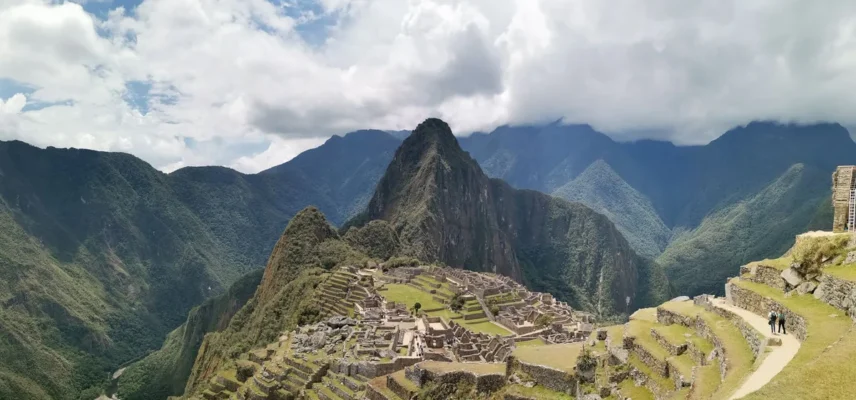
Traveling to Cusco and Machu Picchu is nothing like packing for a coastal city or a beach resort. You’re heading into the heart of the Andes — a city that sits at 3,400 meters (11,150 ft) above sea level, where the weather can shift dramatically within just a few hours. A well-thought-out pack isn’t just about comfort: it protects you from altitude sickness and unexpected rain, and lets you move freely through ancient archaeological sites.
At Parwa Travel, we prepare travelers for these routes every single day. What you’ll find here is the result of years of experience guiding people through the Cusco region, the Sacred Valley, and the Inca citadel of Machu Picchu. No clichés, no recycled internet lists — just what you actually need.
Documents and essentials you absolutely cannot forget
Before you think about clothing, lock down your documents. Without them, you won’t be able to enter archaeological sites or handle many practicalities along the way.
- A valid photo ID (passport or national ID depending on your nationality). Machu Picchu requires that the name on your ticket match your ID exactly.
- Printed or downloaded tickets on your phone for Machu Picchu, the train, and any pre-booked excursions. Connectivity in parts of the Sacred Valley can be unreliable.
- An international debit/credit card and some cash in Peruvian soles. At local markets, communities, and small businesses in the more remote corners of Cusco, cash is still king.
- Travel insurance with coverage for high-altitude activities and medical assistance. Strongly recommended, especially if you’re planning on trekking or adventure activities.
- Digital copies of all your documents stored in the cloud.
Clothing: layering is your best strategy
Andean weather is unpredictable by nature. In Cusco, you can wake up to a biting cold morning, enjoy a sunny midday, and get caught in a brief downpour by late afternoon — all in the same day. The key isn’t to pack a lot: it’s to pack layers you can easily add or remove on the go.
Base layers and mid-layers
- 2 to 3 t-shirts made from moisture-wicking technical fabrics that dry quickly (avoid pure cotton — it holds moisture and takes forever to dry).
- 1 or 2 thermal undershirts for cold Cusco nights, especially between May and August.
- Synthetic or merino wool underwear: lightweight, quick-drying, and easy to hand-wash.
Mid and outer layers
- Fleece jacket or wool sweater: non-negotiable. Cusco nights can drop below 5°C (41°F) in the dry season.
- Windbreaker or lightweight rain jacket: essential at Machu Picchu, where rain can appear out of nowhere even outside the wet season.
- A compact rain poncho is a handy, lightweight alternative — and you can also pick one up at the artisan markets in Cusco.
Bottoms and footwear
- 1 or 2 pairs of convertible trekking pants (with zip-off legs): perfect for dealing with temperature swings during hikes.
- Trekking boots or shoes with solid grip: the paths at Machu Picchu and throughout the Sacred Valley are uneven, rocky, and full of narrow steps. The right footwear prevents falls and injuries.
- A pair of sandals or comfortable casual shoes for relaxing at the hotel or exploring Cusco city without lugging around heavy boots.
- Wool or trekking socks: at least 3 pairs. They keep your feet warm and help prevent blisters.
Accessories for the mountains and Andean sun
- Wide-brimmed hat or cap: the sun at altitude hits differently than at sea level. UV radiation is significantly stronger above 3,000 meters.
- A wool or fleece beanie for cold mornings and evenings.
- Lightweight gloves, especially if you’re traveling in the dry season (June–August).
- A buff or multifunctional neck gaiter: great as sun protection, a dust shield, or an extra layer of warmth around the neck.
Health and a basic altitude kit
Altitude sickness, known locally as soroche, is the top concern for travelers arriving in Cusco. The city sits at 3,400 meters above sea level, while Machu Picchu is at around 2,430 meters. Interestingly, many people feel the effects of altitude in Cusco and then start to feel better once they descend to Machu Picchu. Prevention is always the best approach.
- Acetazolamide (Diamox): a medication that supports acclimatization. It requires a prescription and should be discussed with your doctor before your trip.
- Coca leaves or coca tea: Andean tradition has relied on the coca leaf for centuries to ease altitude symptoms. You’ll find it in virtually every hotel and market in Cusco. It is completely legal in Peru.
- Ibuprofen or paracetamol for the headaches that acclimatization can bring on.
- Antihistamines and stomach medication: changes in diet and climate can throw your digestion off.
- Sunscreen SPF 50 or higher: UV radiation at high altitude is intense. Apply it even on overcast days.
- SPF lip balm: lips chap and crack quickly in the dry Andean air.
- Insect repellent: especially if you’ll be visiting lower-altitude areas like the Inca Trail or the cloud forest around Aguas Calientes.
- Moisturizing cream: the dry highland air dries out your skin faster than you’d expect.
One key tip: rest on your first day in Cusco. Don’t schedule demanding activities for the same day you arrive. Staying well hydrated, eating light, and avoiding alcohol for the first 24 hours makes a world of difference for acclimatization.
Tech and practical accessories
- Portable power bank: on trekking routes and at Machu Picchu, charging points are not always available.
- A universal travel adapter if your home country uses a different plug type (Peru uses Type A and B — two and three flat-pin plugs).
- A camera or a smartphone with a great lens. Machu Picchu, the Sacred Valley, and the landscapes around Cusco are absolutely worth capturing properly.
- Earphones: handy for long bus or train transfers.
- A headlamp or handheld torch: essential for early-morning hikes or in the event of power outages in rural areas.
- Zip-lock bags or waterproof pouches to protect documents, your phone, and electronics from the rain.
The ideal bag: size and weight
For a 7 to 10-day trip through Cusco, the Sacred Valley, and Machu Picchu, a 40 to 50-liter backpack is usually plenty if you pack smart. If you’re planning the classic 4-day Inca Trail, the trekking company will assign porters to carry your tent and camping gear, so you’ll only need to carry a 20 to 25-liter daypack yourself.
- Daypack (20–25 L): for carrying inside Machu Picchu and on day excursions.
- Main backpack (40–50 L): for accommodation stays and transfers between cities.
- A small padlock to secure your bag at your accommodation or in train storage compartments.
Keep in mind that Machu Picchu has bag size restrictions at the entrance. We recommend checking the current regulations directly on the official website of Peru’s Ministry of Culture before your visit, as these rules can be updated.
Things people forget — and always wish they hadn’t
- Collapsible trekking poles: they take a lot of pressure off your knees on steep descents at Machu Picchu and along the Inca trails.
- A reusable water bottle: tap water in Cusco and Aguas Calientes is not safe to drink for those who aren’t accustomed to it. A filtered bottle or stainless steel bottle is the sustainable, practical choice.
- Energy snacks: dried fruit, nuts, granola bars. On long trails, keeping your energy up is essential.
- Microfiber towels: lightweight, compact, and quick-drying. Some hostels don’t provide them.
- A small notebook or journal: many travelers want to jot down their experiences, Quechua words, local traditions — or simply sketch the landscapes that move them.
What you can leave at home
Knowing what not to bring is just as important as knowing what to pack. Overpacking can seriously dampen the experience on routes where mobility is everything.
- Formal or dressy clothing: you won’t need it at any point on this trip.
- Multiple pairs of shoes: two options (trekking + casual) is all you need.
- Heavy physical books: a tablet or e-reader saves weight and space.
- Full-size toiletries: use travel-size formats or buy what you need once you’re in Cusco.
Plan your trip with Parwa Travel
A well-packed bag is the first step, but the second is having someone by your side who knows these destinations inside and out. At Parwa Travel, we are Cusqueños, Quechua speakers, and specialists in Inca routes. We know every trail, every community, and every detail that turns an ordinary tour into an experience that changes the way you see the world.
Browse our Southern Peru packages or get in touch with us directly to design a custom itinerary. We’ll take care of everything from the logistics to the most practical on-the-ground advice, so you arrive prepared and make the most of every single moment.