



Choquequirao: The Inca Citadel That Few People Know
- 21 de September de 2026
- Parwa Travel
Choquequirao: The Inca Empire’s Best-Kept Secret
Choquequirao —which means ‘Cradle of Gold’ in Quechua— is one of Peru’s largest and best-preserved Inca citadels, and at the same time one of the least visited anywhere in the world. While Machu Picchu welcomes thousands of tourists every single day, Choquequirao remains almost entirely untouched by crowds. Getting here is no easy feat, but that is precisely what makes it extraordinary.
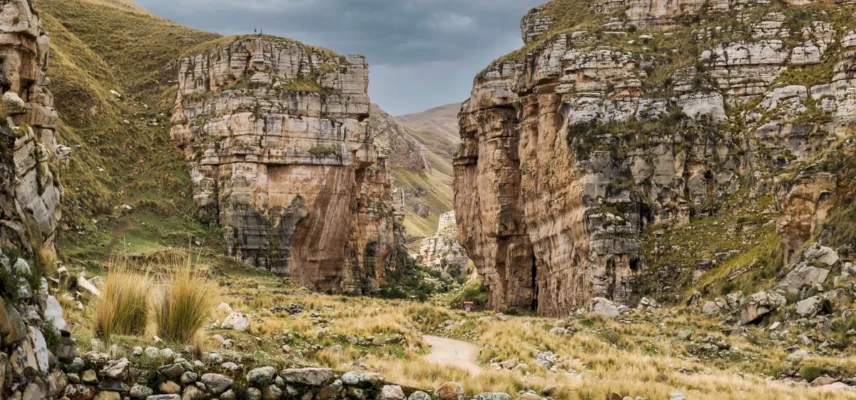
Located in the Apurímac region, on the slopes of the Salcantay glacier, the citadel sits atop a mountain ridge at approximately 3,033 meters above sea level. From its terraces, the Apurímac River canyon —one of the deepest in all of South America— unfolds before the traveler in a way that is truly impossible to forget.
At Parwa Travel, we believe that travel is about changing your perspective, not just your location. And Choquequirao, more than almost anywhere else, has the power to transform the way you understand Inca civilization and the Andean world.
What Is Choquequirao and Why Is It So Special?
Choquequirao is an Inca archaeological complex that some researchers consider just as significant —or even more extensive— than Machu Picchu. It is estimated that only 30% to 40% of the site has been excavated and restored to date, meaning that much of the citadel still lies hidden beneath the cloud forest vegetation.
The complex includes ceremonial plazas, residential quarters, stepped agricultural terraces, and a sector that is unique in the entire Inca world: the llama terraces, featuring white stone figures embedded in the retaining walls that depict camelids in motion. There is no other example of mural art at this scale in any other known Inca archaeological site.
Historically, Choquequirao is linked to the period of Inca resistance following the Spanish conquest. It is believed to have served as a strategic refuge for the last Inca rulers of the so-called Neo-Inca State of Vilcabamba, which held out against colonial rule for decades.
How to Get to Choquequirao: The Classic Trek
Today, the only way to reach Choquequirao is on foot. There are no roads or vehicle access to the archaeological site, which ensures it remains a genuinely off-the-beaten-path destination. The standard starting point for the Choquequirao trek is the village of Cachora, in the province of Abancay, in the Apurímac region.
Classic Route from Cachora
- Cachora sits at approximately 3,640 meters above sea level and is the trailhead for the descent into the canyon.
- From Cachora, you descend to the Apurímac River at around 1,500 meters above sea level, crossing one of the deepest canyons on the continent.
- From there, the ascent to Choquequirao begins, with a positive elevation gain of over 1,500 meters.
- The round-trip route takes a minimum of 4 days, though many travelers choose 5 or more days to explore the site at a leisurely pace.
- The one-way distance is approximately 30 kilometers, with several sections that are physically demanding.
The Extended Route to Machu Picchu
For more experienced trekkers, there is a high-mountain route that connects Choquequirao with Machu Picchu, crossing the Vilcabamba Mountain Range. This 8-to-10-day traverse is considered one of the great treks in South America, combining two of the most important Inca archaeological sites in the world into a single expedition. Parwa Travel offers this trek with specialist guides and first-hand knowledge of the terrain.
Physical Difficulty and Preparation
The Choquequirao trek is demanding. It is not a route recommended for people without mountain hiking experience or with limited physical fitness. The constant changes in altitude —ranging from 1,500 meters down in the canyon to 3,033 meters at the archaeological site— combined with the intense canyon heat and steep gradients make this trail a genuine challenge.
That said, with solid physical preparation, the right gear, and an experienced guide, the trek is within reach for any determined adventurous traveler. If you’re coming from Cusco, which sits at 3,400 meters above sea level, you’ll already have a head start on acclimatization — a real advantage.
What to Pack for the Choquequirao Trek
- Trekking boots with good ankle support and non-slip soles
- A 30-to-50-liter backpack with a waterproof rain cover
- Layered clothing: the canyon can be scorching during the day and cold at higher elevations after dark
- A sleeping bag rated for below-freezing temperatures (nights at camp can get very cold)
- Trekking poles (highly recommended for the descents)
- Sunscreen, sunglasses, and a wide-brimmed hat
- Plenty of water and purification tablets or a filter for natural water sources
- A basic first-aid kit including altitude sickness medication (consult your doctor before the trip)
- A headlamp with spare batteries
- Energy snacks and nuts for the trail
Climate and Best Time to Visit Choquequirao
The best time to do the Choquequirao trek is during the dry season, which runs roughly from May to October. During these months, the trails are in much better condition, clear skies offer spectacular views of the Salcantay glacier and the Apurímac Canyon, and rainfall is minimal.
The rainy season, from November to April, turns the dirt trails muddy and slippery in several sections. While the trek is possible during this period, it is not recommended for travelers without prior experience hiking in heavy rain. January and February are the wettest months.
Temperatures Along the Route
- At the canyon floor (1,500 m): Temperatures can exceed 30°C during the day. The sun is intense and humidity is noticeable.
- At the archaeological site (3,033 m): Mild days ranging from 15°C to 22°C, with nights that can drop close to 0°C during the dry season.
- At the high-mountain passes (extended route): Sub-zero temperatures are common, especially in the early hours of the morning.
The Archaeological Site: What to See at Choquequirao
Once you arrive at the citadel, you discover an Inca world that mass tourism has yet to reach. The main sectors of the site include:
- The Main Plaza (Huchuy Qosqo): The ceremonial heart of the complex, surrounded by finely crafted stone enclosures.
- The Llama Terraces: The most distinctive sector of the site, featuring white stone camelid figures embedded in the agricultural retaining walls — a one-of-a-kind example of Inca art applied to agricultural architecture.
- The Pikiwasi Sector: A residential complex located in the upper part of the site, with panoramic views over the canyon and the surrounding snow-capped peaks.
- The Agricultural Terraces: Sweeping tiered platforms that showcase the hydraulic and agricultural engineering the Incas used to turn near-vertical slopes into productive land.
- The Usno Sector: An elevated ceremonial platform from which the entire citadel can be seen at a glance.
The silence, the vegetation that gently embraces the ruins, and the absence of crowds create an experience radically different from any other archaeological site in Peru. Here, you can take all the time you need to understand, observe, and connect with Inca history in a deep and undisturbed way.
Choquequirao and the Future of Tourism in the Area
In recent years, there has been ongoing debate about the construction of a cable car that would link Cachora to the archaeological site, which would exponentially increase visitor numbers. This project has sparked intense discussion among the archaeological community, local populations, and advocates of responsible tourism.
At Parwa Travel, we believe in tourism that respects fragile ecosystems and heritage sites. Visiting Choquequirao today, while it can still only be reached on foot, is an opportunity that won’t be available forever in the way we know it now.
How to Plan Your Choquequirao Trip with Parwa Travel
The Choquequirao trek requires careful planning: access permits to the archaeological area, camping logistics, arrieros (mule handlers) or support agency, and a guide with genuine on-the-ground knowledge. At Parwa Travel, we are Cusqueños — we speak Quechua and we know these routes from the inside, not from a guidebook.
Our team will help you design the expedition that best fits your fitness level, available time, and travel style. Whether you’re looking for the classic 4-day trek or the epic traverse all the way to Machu Picchu, we’ll be with you every step of the way.
Browse our southern Peru packages or get in touch with us directly so we can put together your Choquequirao adventure together. You can also explore our Apurímac destinations section to discover everything this still largely undiscovered region has to offer.