



Direct Flights to Cusco from Brazil and Chile: What Changes
- 19 de September de 2026
- Parwa Travel
Cusco, closer to the world than ever
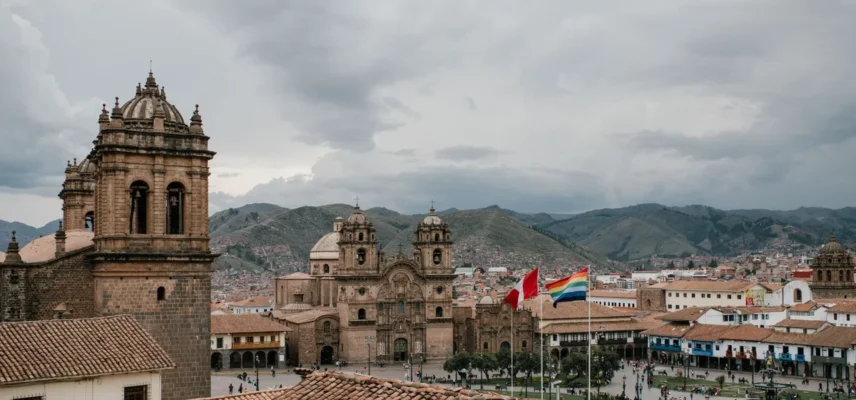
Cusco, the ancient capital of the Inca Empire, sits at 3,400 meters above sea level in the heart of the Peruvian Andes. For decades, reaching this city meant a mandatory layover in Lima. Today, that’s changing: new direct air routes from Brazil and Chile are transforming the way South American travelers access one of the continent’s most extraordinary destinations.
For millions of Brazilians and Chileans, Cusco is no longer a far-off dream — it’s become a more accessible option than ever before. This article explains what that means in practice, what you should plan ahead of time, and why this is a particularly great moment to visit Qosqo, the Quechua name for the city that means “navel of the world.”
What direct routes to Cusco are available?
The Alejandro Velasco Astete International Airport (IATA code: CUZ), located within the city of Cusco itself, operates both domestic and international flights. In recent years, regional airlines have added or announced direct connections from cities such as Santiago, Chile and various destinations in Brazil, significantly cutting travel times for passengers from both countries.
It’s worth noting that the availability, frequency, and status of these routes depend on each airline and may vary by season. We recommend checking directly with the airlines or with our team at Parwa Travel to find out which routes are operating at the time of your trip, as regional international routes in South America are subject to schedule adjustments.
What does flying direct to Cusco actually mean?
Previously, a traveler from São Paulo or Santiago had to add 3 to 6 hours of layover in Lima before catching a domestic flight of roughly 1 hour and 15 minutes to Cusco. With a direct route, that time is cut substantially. But beyond the hours saved, flying direct also eliminates the stress of baggage transfers, terminal changes, and the uncertainty of connections.
For first-time visitors to Cusco, those extra hours saved can be put to much better use — acclimatizing to the altitude, exploring the historic city center, or simply resting before setting off on a high-altitude adventure.
What to plan before you arrive
Easier access doesn’t mean your trip to Cusco can be left to chance. On the contrary: arriving direct and connection-free gives you more energy to make the most of every day, but advance planning remains essential. Here are the most important things to consider:
1. Altitude: the factor you should never overlook
Cusco sits at 3,400 m above sea level. That means altitude sickness — known locally as soroche — can affect even the fittest travelers. Arriving direct, without spending days at sea level in Lima first, means your body faces the altitude more abruptly.
- Plan for at least one or two acclimatization days before taking on any strenuous physical activity.
- Drink plenty of water, eat light meals, and rest — these are your best allies.
- Coca tea, a traditional Andean infusion, is widely consumed locally to ease altitude symptoms.
- Consult your doctor before traveling if you have any heart or respiratory conditions.
Some travelers choose to begin their journey in the Sacred Valley of the Incas, which sits between 2,800 and 3,000 m above sea level, allowing for a more gradual acclimatization before heading up to Cusco. You can explore that option in our treks and adventure section.
2. Machu Picchu: book well in advance
Greater air connectivity also means more visitors flowing into the region. Machu Picchu, the Inca citadel declared a UNESCO World Heritage Site in 1983, operates under a daily visitor quota controlled by Peru’s Ministry of Culture. Tickets sell out weeks — and even months — in advance during peak season (June through August).
Don’t leave your ticket purchase to the last minute. In our Cusco Cultural section you’ll find more information on how to plan your visit to Machu Picchu, including the different circuits available within the archaeological site.
3. The Inca Trail: limited permits
If your dream is to reach Machu Picchu on foot along the Inca Trail, be aware that trekking permits are strictly limited and sell out months in advance. The classic 4-day route sets off from kilometer 82 of the Cusco–Aguas Calientes train line and passes through ecosystems ranging from high Andean terrain to cloud forest.
Increased flight frequency from Brazil and Chile will only intensify demand for these permits. If you’re planning to hike the Inca Trail, book at least 4 to 6 months ahead. Get in touch with us at Parwa Travel and we’ll help you secure your spot.
Seasons: when is the best time to visit Cusco?
Cusco has two well-defined seasons that shape the traveler’s experience:
- Dry season (April to October): This is the golden window for visiting Cusco and Machu Picchu. Days are sunny, nights are crisp, and the Andean landscape is at its most spectacular. June is home to Inti Raymi, the Festival of the Sun — one of the most important Andean celebrations in the Inca calendar, held every June 24th at Sacsayhuamán.
- Wet season (November to March): Rain is frequent, especially in January and February. However, the landscape turns lush and intensely green. It’s low season, so crowds are much thinner. The Inca Trail closes during February for maintenance.
Travelers from Brazil and Chile taking advantage of the new direct routes will find that the dry season coincides with Southern Hemisphere winter holidays — making advance planning even more important.
Beyond Machu Picchu: the Cusco region will surprise you
One of the real benefits of better connectivity is that travelers can stay longer and explore more deeply. Cusco is so much more than Machu Picchu. The region holds archaeological sites, landscapes, and living communities that very few visitors ever discover.
- Sacsayhuamán: An Inca fortress at 3,701 m above sea level, built with stone blocks weighing up to 100 tons, just minutes from Cusco’s historic center.
- Chinchero: An Andean village at 3,762 m above sea level with a vibrant textile market where Quechua communities keep pre-Hispanic weaving techniques alive.
- Moray and the Maras Salt Mines: Two remarkable historical and archaeological sites in the Sacred Valley that reveal the Incas’ agricultural engineering and deep knowledge of their land.
- Písac: A traditional market and archaeological citadel featuring agricultural terraces carved into the hillsides of the Sacred Valley.
You can discover all of these hidden gems through our Southern Peru packages, designed for travelers who want to go beyond the well-worn tourist trail.
Connecting Cusco with the rest of southern Peru
Flying directly into Cusco also opens the door to wider journeys through southern Peru without needing to use Lima as a base. From Cusco, you can connect by train or bus to:
- Puno and Lake Titicaca: Roughly 6 hours overland or aboard the scenic Belmond Andean Explorer train. The world’s highest navigable lake, at 3,812 m above sea level, is home to the Uros and Taquile island communities.
- Arequipa: The White City, about 9–10 hours by overnight bus from Cusco or a short domestic flight away. Gateway to the Colca Canyon, where the Andean condor soars.
Learn more about these routes on our Puno and Arequipa pages.
Travel with purpose: responsible tourism in the land of the Incas
At Parwa Travel, we believe a direct flight is just the beginning. How we travel matters. We work with certified local guides, regional transport operators, and communities that benefit directly from tourism. Every trip we organize is also a contribution to the local economy of Cusco and its surrounding villages.
Knowledge of Quechua, of the Andean worldview, and of the ayllu — the community as the cornerstone of Andean life — isn’t window dressing in our tours. It’s the foundation from which we understand and share this land. That’s why, when you travel with us, you don’t just see the Cusco that shows up in photos: you understand it from the inside.
Ready to start planning your trip to Cusco?
If the new direct flights from Brazil or Chile are on your radar and you’re thinking about when and how to organize your journey, now is the time to take the leap. The earlier you book, the better your chances of securing tickets, permits, and accommodation for the dates you want.
Reach out to us at Parwa Travel and tell us where you’re traveling from, how many days you have, and what kind of experience you’re looking for. We are Cusqueños, we are Quechua, and we know every corner of this land. We’ll work with you to design the trip you deserve.